




100-year event

A 100-year event (or 100-year return period event) is an event that occurs (or is exceeded) on average once in every one hundred years (such as a storm, flood or rainfall event). This can also be expressed as 1 in 100 or 1:100.
For example, a 100-year storm is a storm that is likely to occur once every hundred years.
A ‘return period’ is an estimate of the likelihood of a particular event occurring. The return period of a rainfall event is the average time between events of at least a given magnitude.
Events can also be described by their ‘probability of occurrence’ (or frequency of occurrence) which is expressed as a percentage, or as 1 divided by the return period. The probability of occurrence of a 100-year event is 1%.
The ‘critical duration’ is the duration of the event for a specified return period event.
Ref CIRIA. 2015. C753. The SuDS Manual.
[edit] Related articles on Designing Buildings Wiki
Featured articles
Check out some of the best features and news from Designing Buildings as well as key stories from around the web.

National Scheme of Delegation introduced.

The cost of employing people remains a concern.
Code of Practice for Electrical Energy Storage Systems.

ECA calls on members to comment on draft 4th edition.

Bringing together expertise and creating cultural benefits.

CIOB celebrates positive Ofsted report.

The Building Safety Regulator announces a call for evidence.

Government approach could undermine delivery and regeneration.
World's first mass timber data centre.

The overlooked environmental aspect of data centre development.
Introduction to radon awareness

New technical information sheet published by CIOB.

Updated supplier guide can help electrical contractors engage with NHP.

CIAT confirm the winners of the 2026 architectural technology awards.
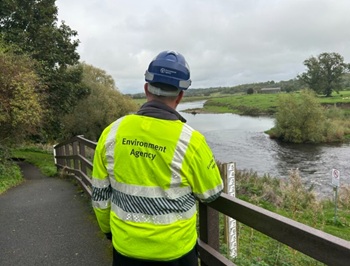
Government launches a one stop shop for flood preparedness.